
Sauce Co-Packing in Canada
Reliable sauce copacking for hot sauce, BBQ sauce and more, with recipe support, bottles, jars and pouches, compliant labels, ingredient sourcing, storage and distribution.
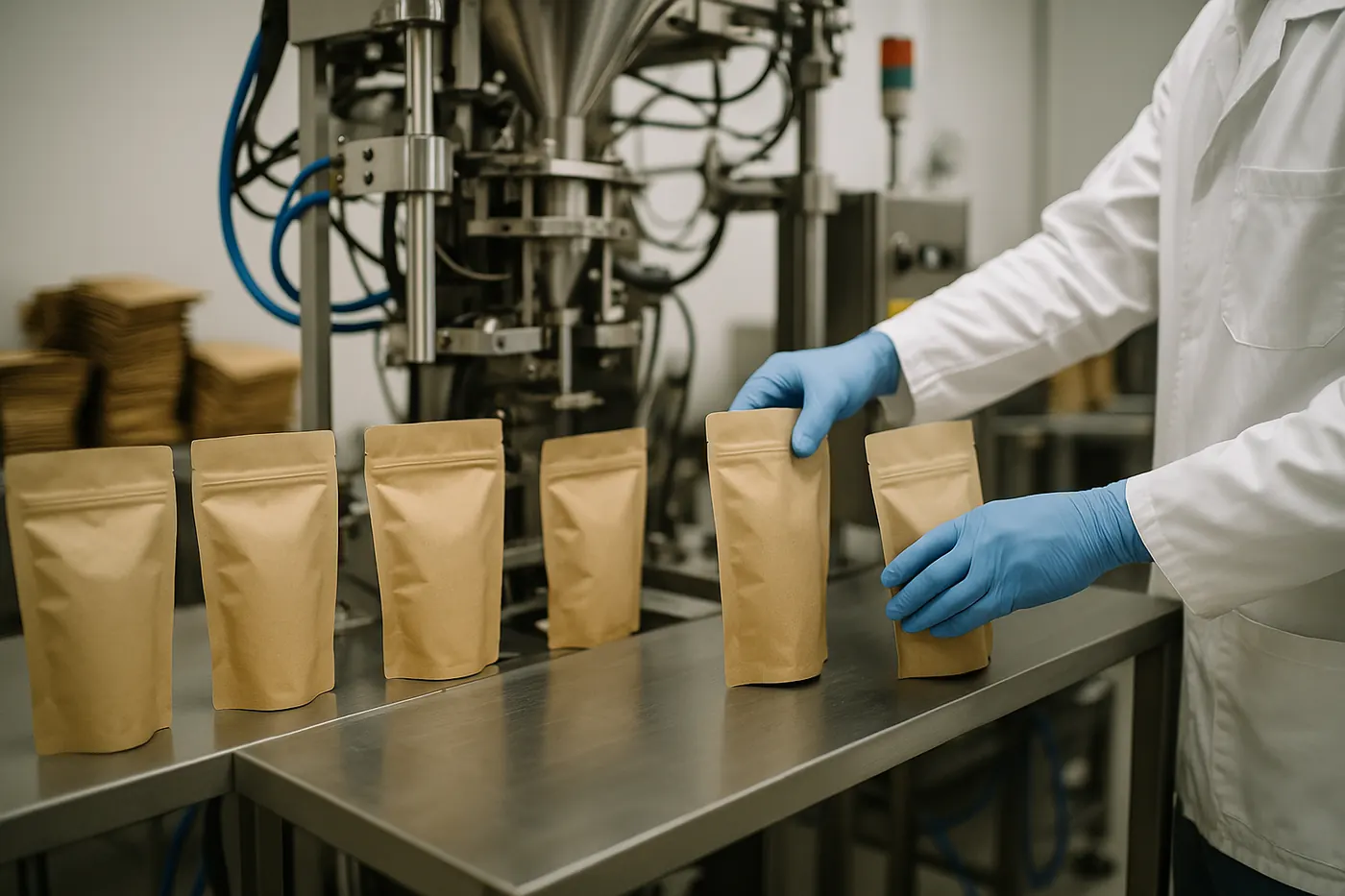
Why More Brands Are Choosing Canadian Co-Packing
Canada’s food manufacturing industry is thriving — and it’s no surprise why. With world-class food safety standards, cost-efficient production, and strategic access to both U.S. and international markets, Canadian co-packing is becoming the go-to solution for brands ready to scale.
Whether you’re a Canadian-based company or an international brand looking to produce and distribute from Canada, working with a Canadian sauce co-packer gives you both logistical efficiency and regulatory peace of mind.
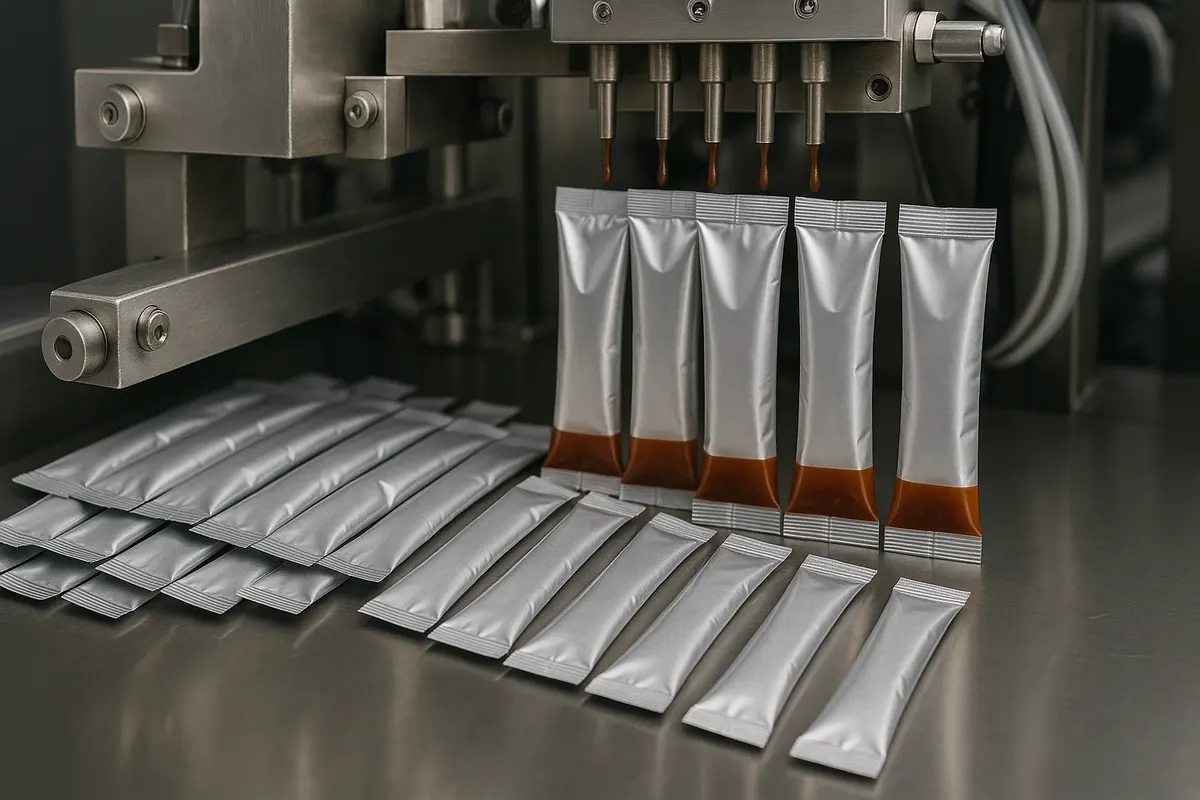
The Right Sauce Co-Packer Makes All the Difference
We’re more than just a production partner — we help you bring your vision to life with flexible, reliable, and food-safe co-packing solutions. Here’s how we support your brand.

Scalable Production & Recipe Support
From formulation to full-scale production, we help scale your sauce without compromising quality. Whether you’re launching or expanding, our scalable, flexible batch sizes support your growth.

Packaging & Compliance Made Easy
We offer a variety of packaging formats — bottles, jars, and pouches — and ensure your labels meet all regulatory and retail requirements, including lot coding and traceability.

End-to-End Co-Packing & Logistics
Beyond filling and labeling, we provide ingredient sourcing, secure storage, and reliable distribution to get your sauce to market faster and more cost-effectively.
Sauces, condiments and seasonings we pack
Our sauce co-packing work spans hot sauce, BBQ sauce and other sauces, plus condiments and seasonings, which we can pack in pouches, bottles or tubs. Related products such as gels and other liquids are covered by our wider food co-packing services. If you’re building a range under your own label from an existing formula, see private label manufacturing.
Choosing a format: bottles, jars or pouches
The container is a food safety decision as much as a branding one. As general guidance:
- Glass bottles and jars signal a premium product and are a familiar choice for shelf-stable sauces, but they are heavier to ship and can break in transit.
- Plastic squeeze bottles are lighter and easy to dispense, which suits table sauces and condiments.
- Flexible pouches cut shipping weight and work well for food service, refill and sampling formats. Confirm the film and seal suit your fill temperature and barrier needs.
Our packaging formats guide compares these options in more detail, and our packaging sourcing service can find the right container for your product.
What to prepare before your first sauce run
Sauces sit in one of the more technical corners of food manufacturing. Acidity, water activity, fill temperature and the container all affect whether a sauce is shelf-stable, needs refrigeration, or requires a validated thermal process. Canada’s Food and Drug Regulations treat a food as low-acid when any component has a pH above 4.6 and a water activity above 0.85, and low-acid foods in hermetically sealed packages face the strictest controls under the Safe Food for Canadians Regulations. Having these numbers ready, measured on a finished batch rather than a test-kitchen version, shortens the path to a quote. Bring:
- Your recipe by weight, with ingredient specifications
- pH and water activity results, if you have them
- Your target shelf life and storage (ambient, refrigerated or frozen)
- Your preferred container and closure, plus alternatives you’d accept
- Expected volume per run and per year
- Whether you need us to source ingredients or packaging
- Where you plan to sell, since selling across provincial borders or exporting brings federal licensing into play
For a deeper look at pH, filling methods and bilingual labelling rules, read our sauce safety and labelling article and the original ultimate guide to sauce co-packing.
Labels, lot codes and traceability
Retailers and inspectors expect a sauce label to carry the core Canadian requirements: a common name, metric net quantity, an ingredient list with priority allergens declared, the dealer’s name and principal place of business, a Nutrition Facts table unless an exemption applies, and mandatory information in English and French. Many condiments use mustard, sesame, soy, wheat or sulphites, all of which are priority allergens in Canada. Since January 1, 2026, front-of-package nutrition symbol rules also apply, which matters for sauces high in sodium or sugars. We set labels up to meet regulatory and retail requirements, including lot coding and traceability, so every batch can be identified.
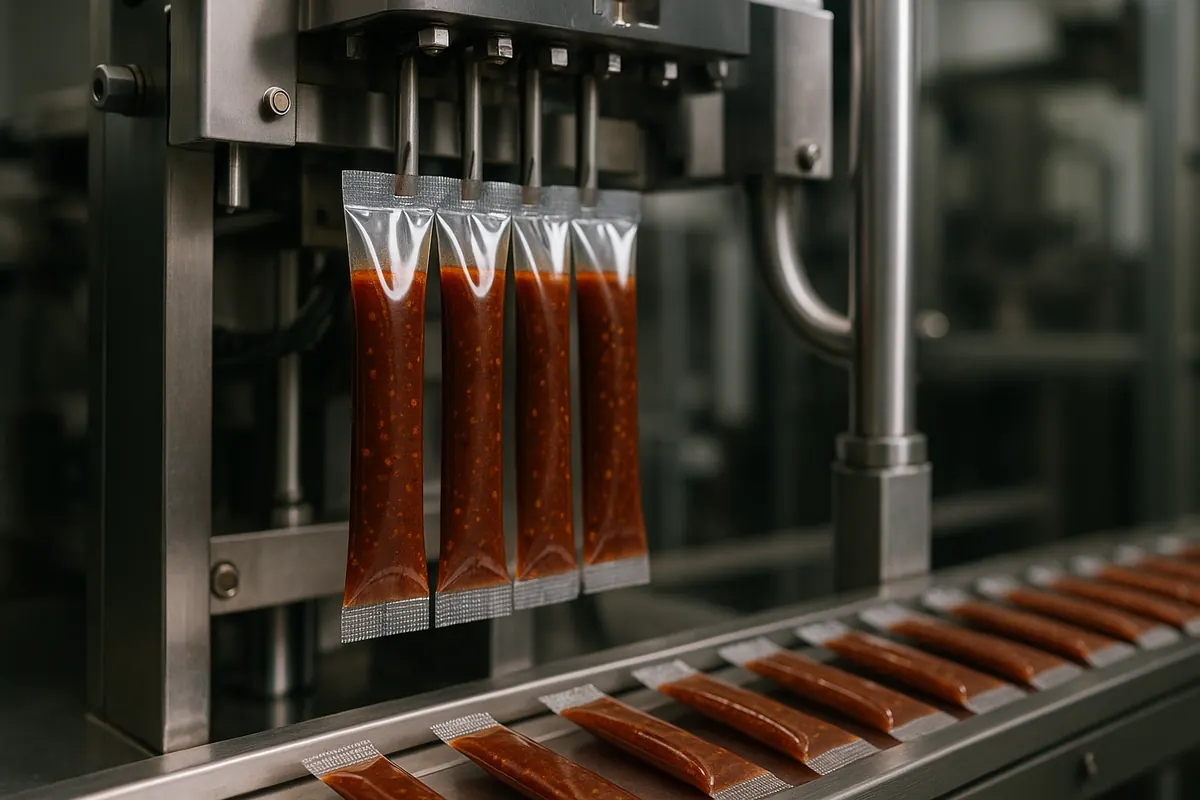
Let’s Get Your Sauce to Market
Tired of searching for “sauce co packers near me”? Work with a trusted Canadian partner who understands your product, your goals, and your passion. Whether you’re launching a new brand or scaling an existing one, we’re here to help you scale production with flexible batch sizes, maintain quality and food safety, reach retail shelves faster and stay competitive with smart pricing.
Small Batch or Big Dream 🍶 We Bottle Both.
Tell us about your sauce and the volume you need. Start your free quote or call 647-494-7229.
Sauce co-packing FAQ
What kinds of sauces do you co-pack?
Hot sauce, BBQ sauce and more, along with condiments and seasonings. If you’re unsure whether your product fits, describe it in the quote form.
Can you work with small batches?
Yes. Small Batch or Big Dream, we bottle both: our scalable, flexible batch sizes support your growth whether you’re launching or expanding. Minimums vary by product type and packaging format, so we quote each project individually.
What packaging formats are available for sauces?
We offer bottles, jars and pouches, and for condiments and seasonings, tubs. Labels are set up to meet regulatory and retail requirements, including lot coding and traceability.
Can you source my ingredients?
Yes. Beyond filling and labeling, we provide ingredient sourcing, secure storage and reliable distribution.
Do I need to know my sauce’s pH before contacting you?
It helps but isn’t required. Acidity and water activity decide which food safety rules apply to a sealed sauce, so it’s worth measuring them on a finished batch. Our article on sauce pH, filling methods and labelling explains why.
Ready to Get Started?
Let us simplify your packaging process and take your product to the next level. Contact us today to discuss your needs or request a free quote.
Prefer to talk it through?
647-494-7229Mon - Fri: 8am - 8pm · Saturday: 9am - 7pm · Sunday: 9am - 8pm