
Who Needs an SFC Licence When a Brand and a Co-Packer Share the Work?
SFCR licences cover activities, not companies. Five common set-ups, and who holds which licence in each.
Practical articles on co-packing, packaging and food regulations for Canadian food brands.
SFCR licences cover activities, not companies. Five common set-ups, and who holds which licence in each.
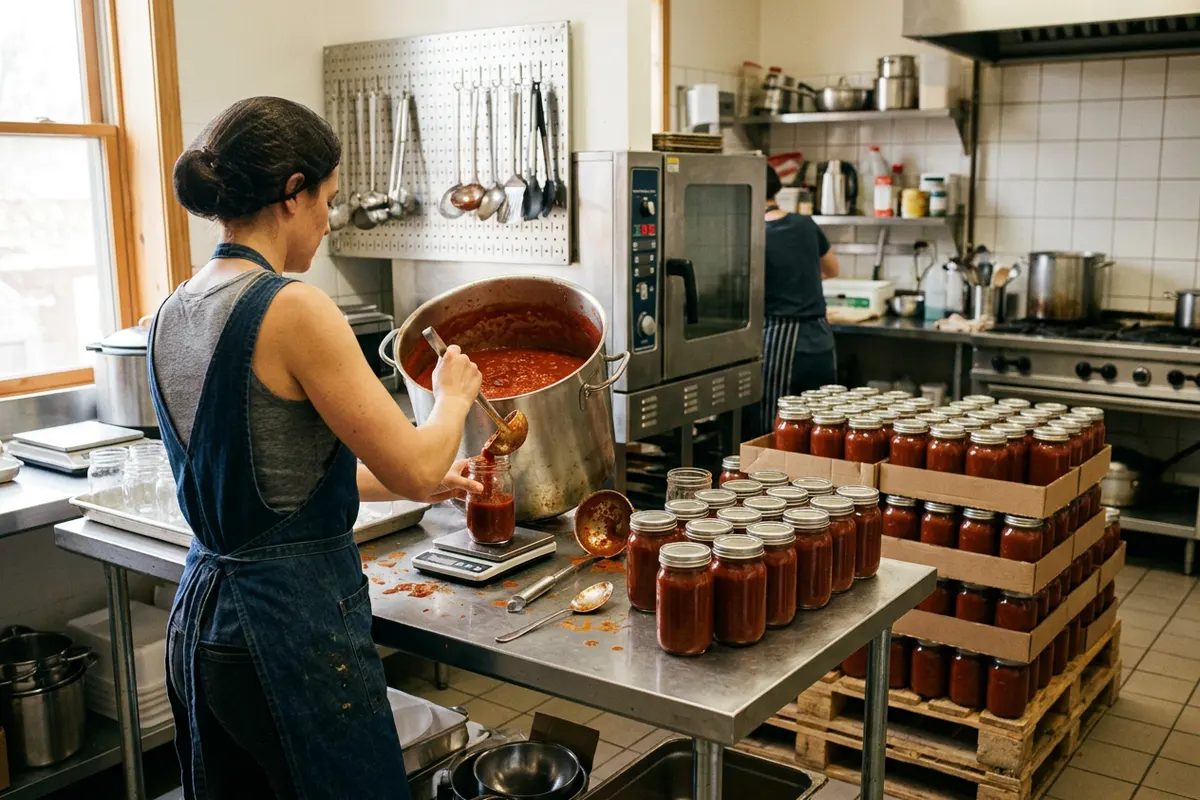
Acidity, water activity, fill temperature and labels: the four things to settle before your first sauce run.
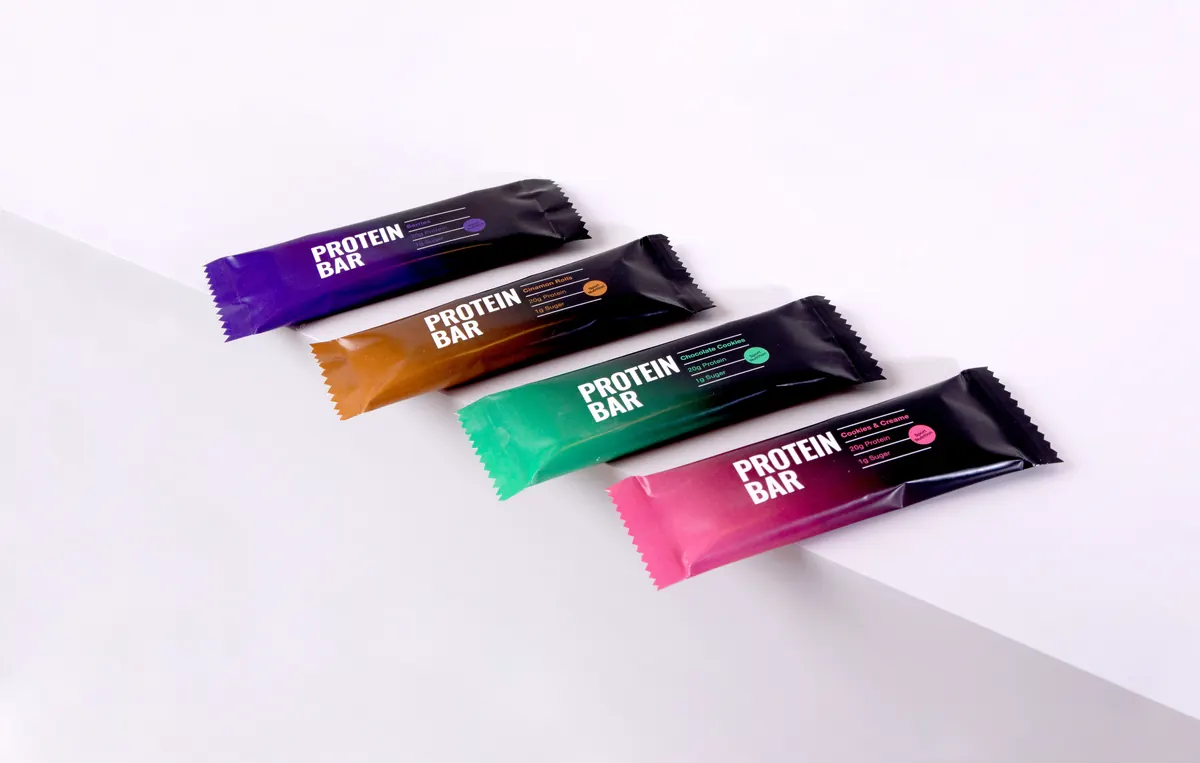
Oxygen, moisture, light and rough handling: how packaging, nitrogen and allergen controls protect your snack.
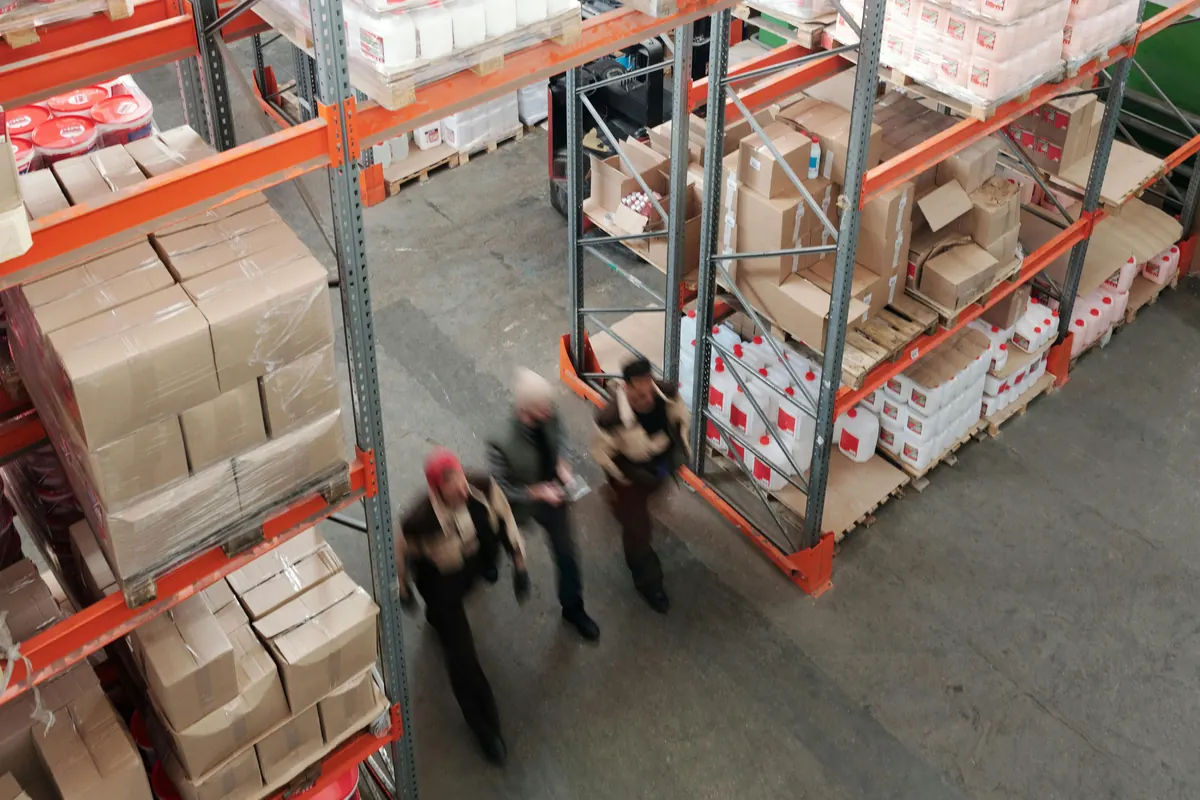
Three quotes, three formats. A worksheet for turning them into one comparable landed cost per unit.
The same scoop of protein can be a food, a supplemented food or a natural health product. Which one it is decides your licences, your label and which co-packers can make it.
Lotions, cleansers and serums move fast from formula to filling line, but Canadian rules on classification, notification and labelling decide whether they can stay on shelf.
Most food brands start in a rented kitchen. Six signs you have outgrown it, what changes when a co-packer takes over, and how to prepare for the first run.
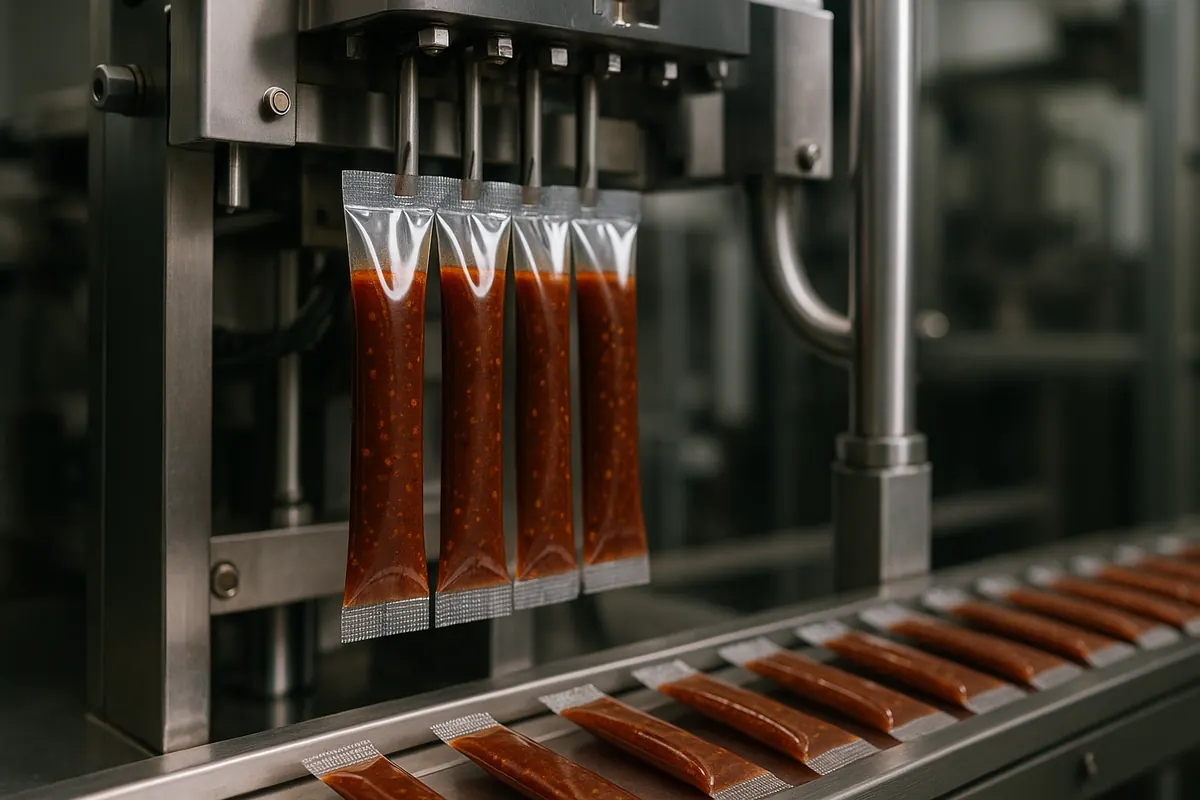
If you're a sauce brand looking to scale, streamline production, or bring your delicious recipe to market, working with a sauce co-packer may be your smartest next move.
No articles match. Try another word, or browse resources.
Looking for evergreen guides? Visit resources.
Let us simplify your packaging process and take your product to the next level. Contact us today to discuss your needs or request a free quote.
Prefer to talk it through?
647-494-7229Mon - Fri: 8am - 8pm · Saturday: 9am - 7pm · Sunday: 9am - 8pm