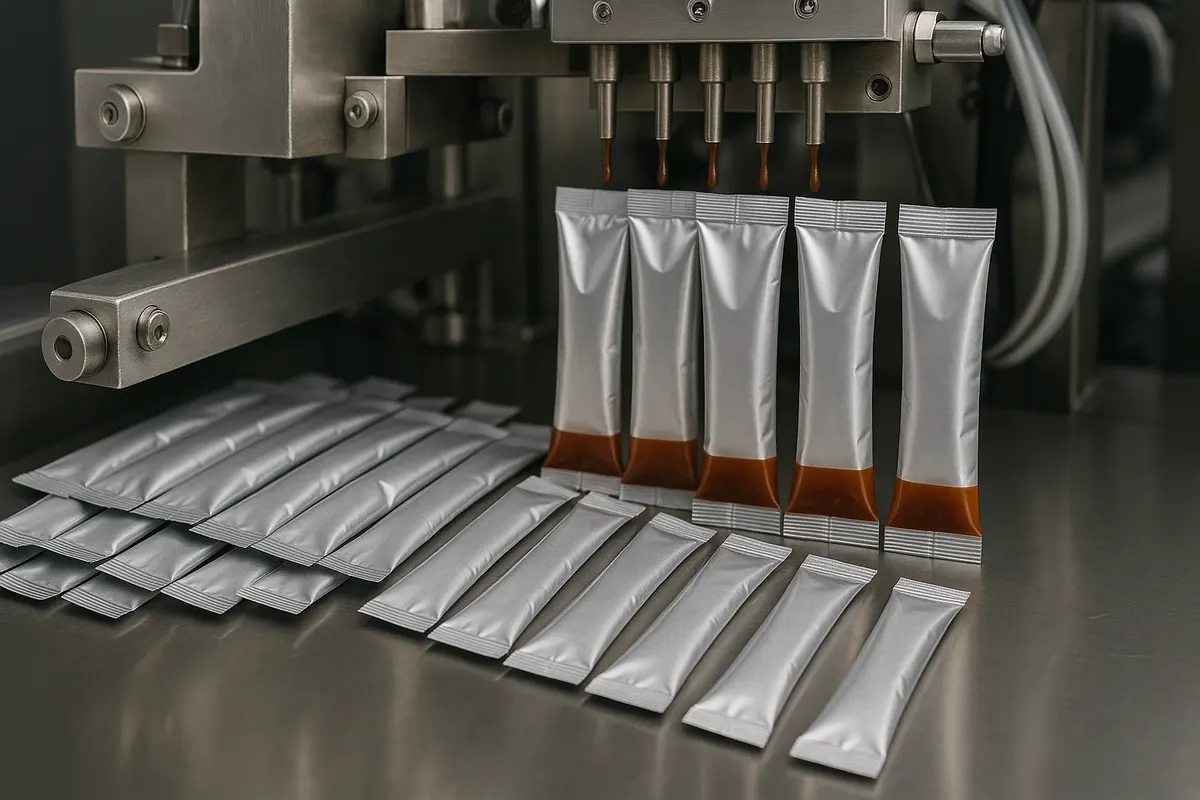
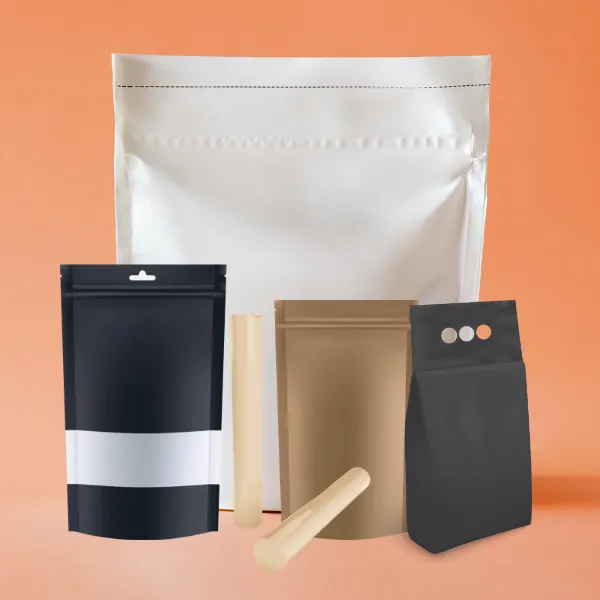
Your packaging protects the product, sells it on the shelf and has to run well on a filling line. This guide compares the formats COPACK Canada works with, explains the trade-offs, and lists what to check before you commit to a print run.
On this page
Want to narrow it down fast? Use the format explorer to filter by product, barrier and storage needs and compare up to three formats side by side.
Flexible pouches and bags
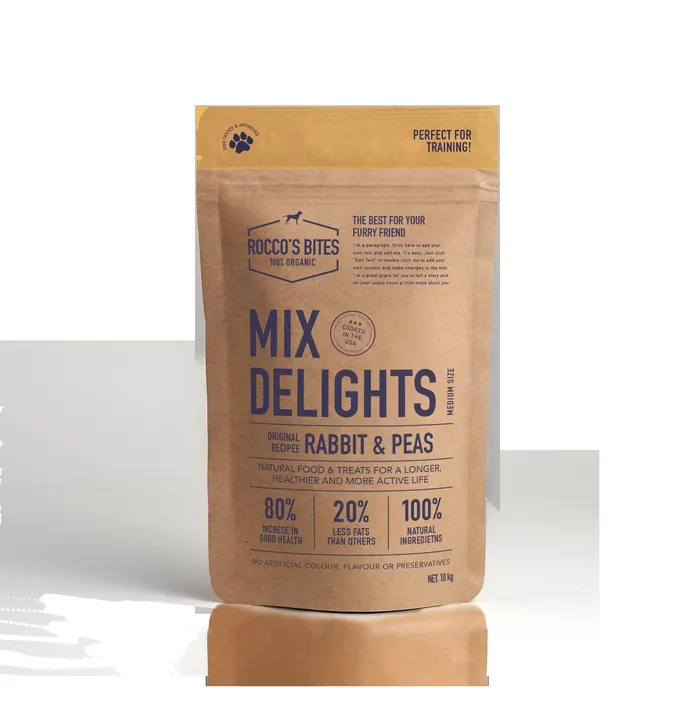
Stand up pouch
Maintains freshness and enhances shelf appeal with a durable, self-standing design. Ideal for snacks, powders, frozen foods and condiments; often fitted with a resealable zipper.
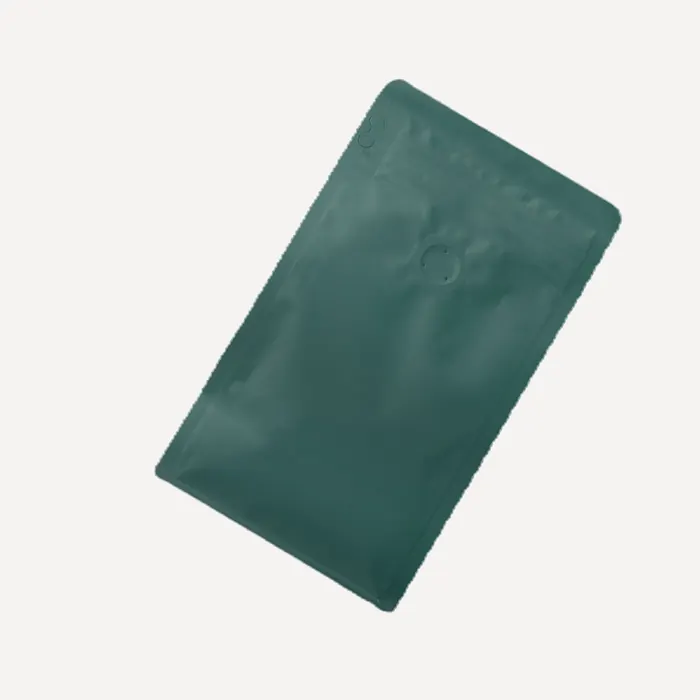
Lay flat pouch
Preserves freshness and protects against moisture, oxygen and light. Economical for single servings, samples, snacks, powders, condiments and pet treats.
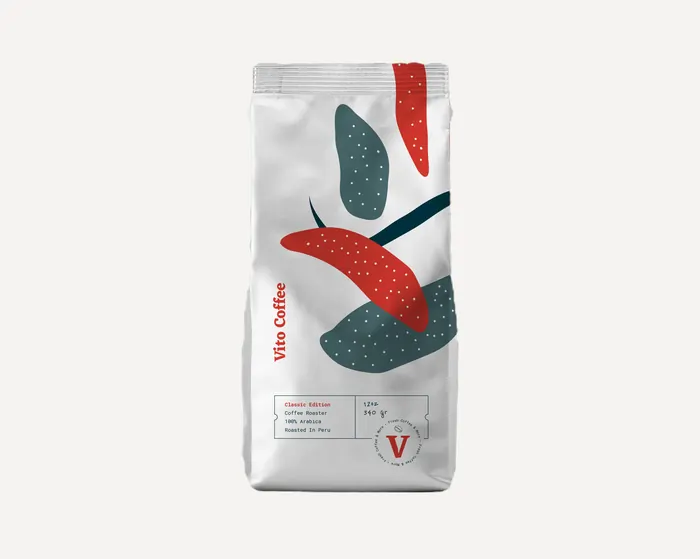
Quad seal bag
Designed for heavier products, with four-corner seals for stability and protection. A common choice for coffee, pet food and larger snack formats.
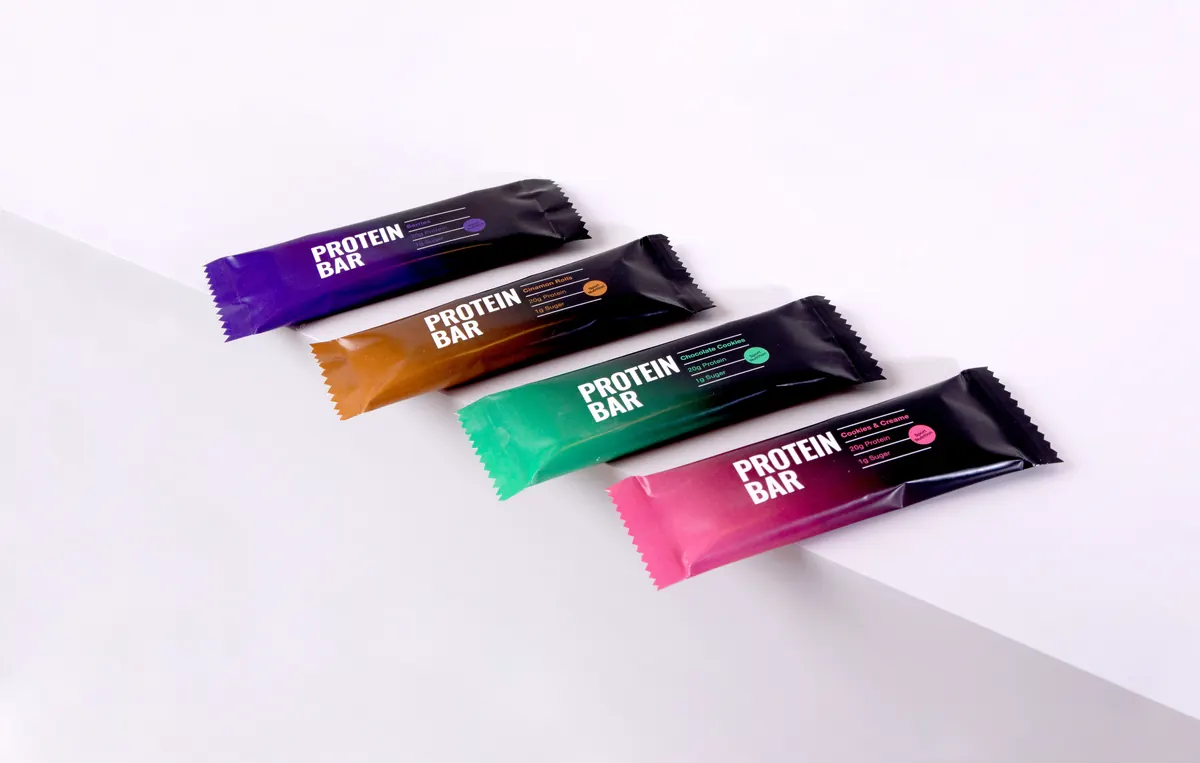
Roll stock & films
High-barrier films designed for automated form-fill-seal packaging. Used for chips, bars and other high-volume runs.
The quote form also lists 3-side sealed bags, a simple flat format sealed on three sides, and our FAQ mentions sachets for single-serve powders, sauces and gels.
Need custom printed pouches? For bags printed with your own artwork, our partner Lion Packaging focuses on custom printed packaging. If you’re after ready-made stand-up or mylar bags, browse Mylar Bags Canada. We can co-pack into packaging from either, or source it for you.
Child-resistant formats
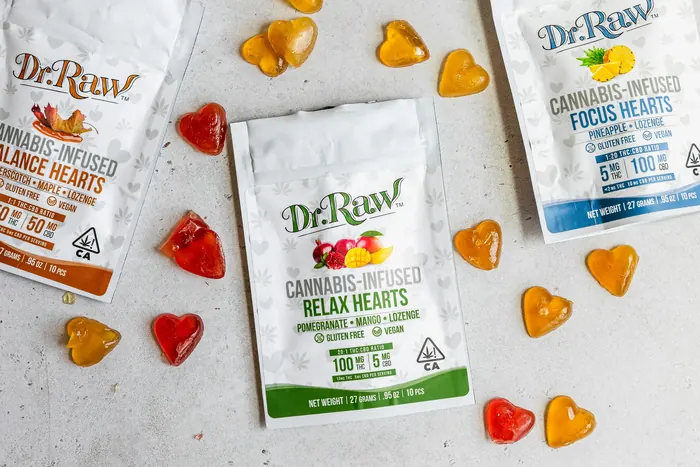
Child resistant pouch
Secure, high-barrier pouch designed for supplements, gummies and specialty products.
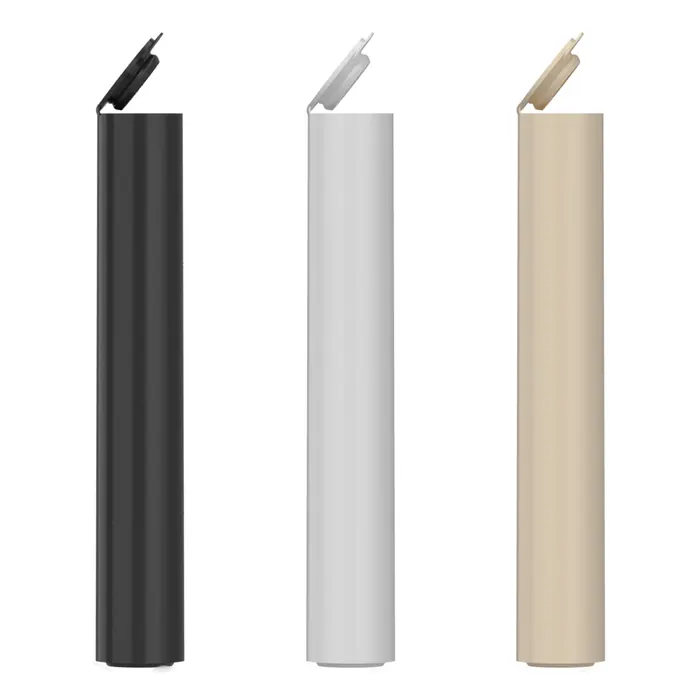
Tubes & tubs
Child-resistant, airtight tubes and tubs for supplements, gummies and other products that need child-resistant closures.
Rigid containers
Our FAQ lists tubes and jars, bottles and droppers, and custom branded containers and labels. For sauces we offer bottles, jars and pouches, and for condiments and seasonings, pouches, bottles or tubs. As general guidance, glass reads as premium and handles heat well but adds weight and breakage risk; plastic is lighter and squeezable; droppers suit concentrated liquids.
How to choose: five questions
- What does your product need protection from? Oxygen and light drive rancidity in nuts, chips and popcorn; moisture ruins powders and crisp snacks. Ask for each film’s barrier specification, not just its look.
- How is it filled? Hot-filled products need containers and films rated for the fill temperature; frozen products need materials that stay flexible in the cold.
- How will it be sold? Retail shelf, e-commerce, food service and sampling each favour different formats and sizes.
- Does it need a closure? Zippers, spouts, caps and child-resistant mechanisms add cost and affect filling.
- What minimum can you live with? Printed film and custom containers carry minimums that may exceed your first run. Our costs and MOQs guide explains how to plan around them.
Format guide by product
| Product | Common formats | Learn more |
|---|---|---|
| Chips, popcorn | Roll stock pillow bags, stand up pouches | Snack co-packing |
| Granola, nuts, dried fruit | Stand up pouches, quad seal bags, lay flat packs | Snack co-packing |
| Sauces, condiments | Bottles, jars, pouches, tubs | Sauce co-packing |
| Powder mixes | Sachets, stand up pouches, lay flat pouches | Food co-packing |
| Frozen foods | Stand up and lay flat pouches, roll stock | Food co-packing |
| Beverages | Bottles, custom pouches | Beverage co-packing |
| Supplements & gummies | Child resistant pouches, tubes and tubs | Packaging |
Sustainability and waste
Minimizing waste is part of COPACK Canada’s promise, and packaging is where much of it is decided. We source everything from sustainable materials to customized food and beverage packaging. As general guidance when weighing greener options:
- Right-size the pack. A pouch matched to the fill uses less material and freight than an oversized bag, and it looks better on shelf.
- Check barrier first. A lighter or recyclable-ready film only helps if it still protects the product for its full shelf life; spoiled product is the biggest waste of all.
- Avoid excess printed inventory. Ordering printed film far beyond what you will sell before a label change leads to write-offs. Inventory management helps here.
- Be careful with claims. Words like “recyclable” or “compostable” on a pack need to be substantiated for the Canadian market, so confirm with your packaging supplier what the material can and can’t support before printing a claim.
Labelling reminders
Whatever the format, Canadian labels generally need the common name and metric net quantity on the principal display panel, a bilingual ingredient list with priority allergens declared, the dealer’s name and principal place of business, a Nutrition Facts table unless exempt, and a lot code where traceability rules apply. Front-of-package nutrition symbol rules have applied since January 1, 2026. Leave space for all of it before you finalize artwork.
Packaging formats FAQ
Which pouch is best for snacks?
Stand up pouches suit granola, nuts and premium popcorn; lay flat pouches suit single servings and samples; quad seal bags suit heavier fills; roll stock suits high-volume chips and bars.
When do I need child-resistant packaging?
Child-resistant pouches, tubes and tubs are designed for supplements, gummies and specialty products where regulations or safety call for a child-resistant closure.
Is custom printed packaging worth it at launch?
Not always. A stock pouch with a printed label usually has a lower minimum. Many brands move to custom printed pouches once volumes justify the film minimum.
Can you source packaging for me?
Yes. COPACK Canada sources films and pouches tailored to your product, brand and budget, then co-packs into them.